

The Pulitzer Prize is one of the most prestigious awards in the world of writing, journalism, and literature. Since its inception in 1917, the award has celebrated authors who crafted timeless works that not only captured human emotions but also shaped society. Some Pulitzer Prize winners have gone beyond the realm of storytelling, sparking social change, inspiring debates, and influencing generations of readers.
In this blog, let’s explore the Pulitzer Prize winners who changed the world of literature and left an everlasting mark on humanity.
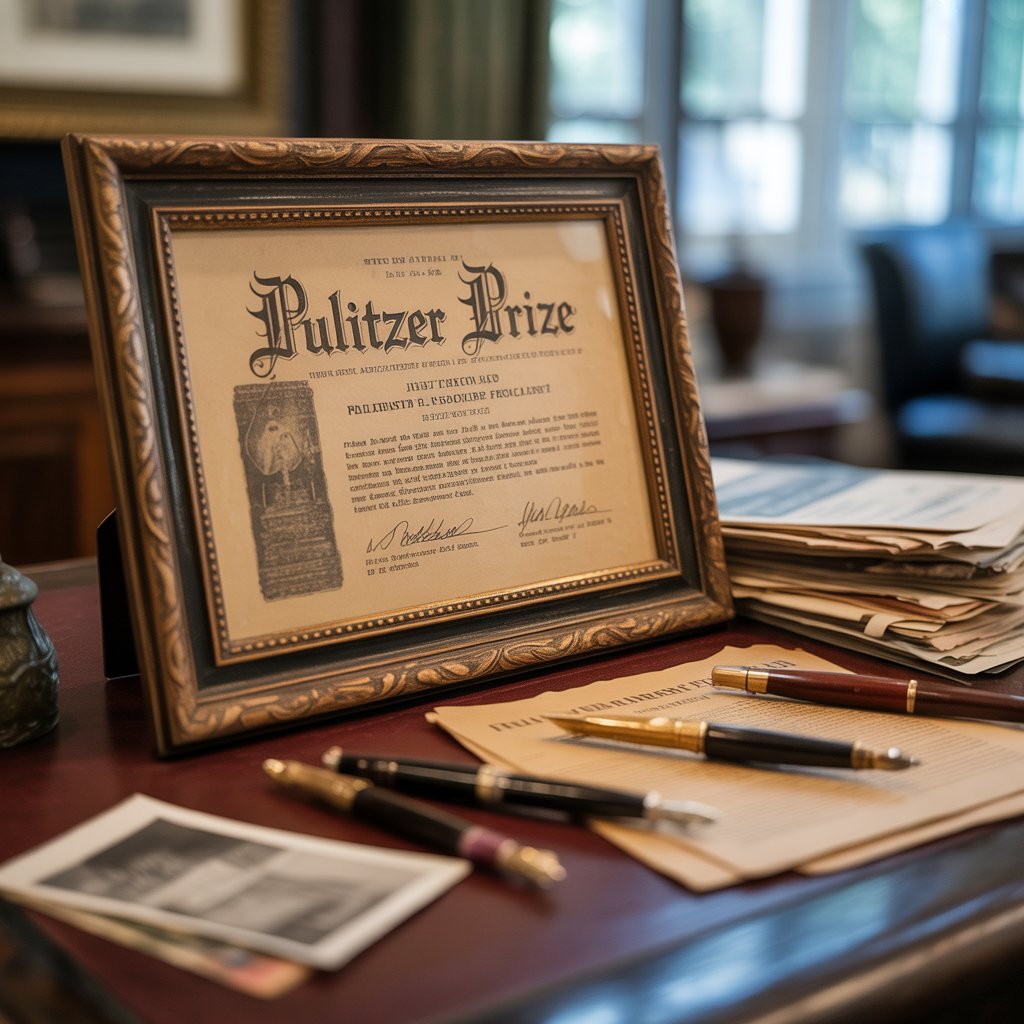
The Legacy of the Pulitzer Prize in Literature
The Pulitzer Prize in Fiction and Poetry recognizes works of exceptional storytelling, creativity, and cultural impact. Winning this award places an author among the greatest literary voices of all time. Beyond prestige, the Pulitzer has acted as a catalyst for social awareness, encouraging readers to reflect on history, morality, and human struggles.
Iconic Pulitzer Prize Winners in Literature
Ernest Hemingway – The Old Man and the Sea
Hemingway’s simple yet profound storytelling style redefined modern literature. The Old Man and the Sea, which earned him the Pulitzer in 1953, symbolizes resilience, hope, and human strength. His influence on writing styles across the world is undeniable.
Harper Lee – To Kill a Mockingbird
Awarded the Pulitzer in 1961, Harper Lee’s novel tackled deep-rooted issues of racism, justice, and morality in America. This masterpiece became a voice for equality, sparking discussions that still resonate today.
Toni Morrison – Beloved
Toni Morrison’s Beloved (1988) explored the painful legacy of slavery through poetic and haunting prose. Her work gave a voice to African-American struggles and reshaped cultural conversations about race and history.
John Steinbeck – The Grapes of Wrath
Steinbeck’s novel, which won in 1940, depicted the hardships of migrant workers during the Great Depression. More than a story, it became a symbol of labor rights, poverty struggles, and resilience, influencing American society and politics.
Jhumpa Lahiri – Interpreter of Maladies
In 2000, Jhumpa Lahiri won the Pulitzer for her debut short story collection. Her writings highlight immigrant experiences, identity struggles, and cultural bridges between the East and the West, making her a global literary icon.

Pulitzer Prizes 2025: Complete List of Journalism Winners
- Public Service: Kavitha Surana, Lizzie Presser, Cassandra Jaramillo & Stacy Kranitz
- Breaking News Reporting: The Washington Post staff
- Investigative Reporting: Reuters staff – “Fentanyl Express”
- Explanatory Reporting: Azam Ahmed, Christina Goldbaum & Matthieu Aikins (NYT)
- Local Reporting: Alissa Zhu, Nick Thieme & Jessica Gallagher (Baltimore Banner & NYT)
- National Reporting: The Wall Street Journal staff – Elon Musk investigation
- International Reporting: Declan Walsh & NYT staff – Sudan conflict
- Feature Writing: Mark Warren (Esquire)
- Commentary: Mosab Abu Toha (The New Yorker)
- Criticism: Alexandra Lange (Bloomberg CityLab)
- Editorial Writing: Raj Mankad & team (Houston Chronicle)
- Illustrated Reporting: Ann Telnaes (Washington Post)
- Breaking News Photography: Doug Mills (NYT) – Trump assassination attempt
- Feature Photography: Moises Saman (The New Yorker) – Syria prison
- Audio Reporting: The New Yorker staff – “In the Dark” podcast
Pulitzer Winners Who Inspired Social Change
These authors proved that literature is more than entertainment—it is a powerful tool for reform. From Harper Lee’s fight against racism to Steinbeck’s portrayal of poverty, Pulitzer-winning works have influenced public opinion, inspired activism, and even shaped laws and policies.
The Global Influence of Pulitzer Prize Literature
Pulitzer Prize-winning works are read worldwide, translated into multiple languages, and adapted into films, plays, and classroom discussions. Their universal themes of justice, freedom, resilience, and humanity ensure that they remain relevant across generations.
FAQs about the Pulitzer Prize in Literature
Q1: What is the Pulitzer Prize for Literature?
Q2: Who was the first Pulitzer Prize winner in literature?
Q3: Which Pulitzer-winning books became movies?
Q4: Can non-Americans win the Pulitzer Prize?
Conclusion
The Pulitzer Prize winners in literature remind us that stories can change the world. From Hemingway’s simple wisdom to Morrison’s powerful truths, these authors left behind legacies that continue to inspire readers. By exploring Pulitzer-winning books, we don’t just enjoy great storytelling—we connect with the struggles, hopes, and dreams that define humanity.




Pingback: Protozoa Phylum Classification: Characteristics and Examples
Pingback: Porifera Phylum Classification Notes for Biology Students