
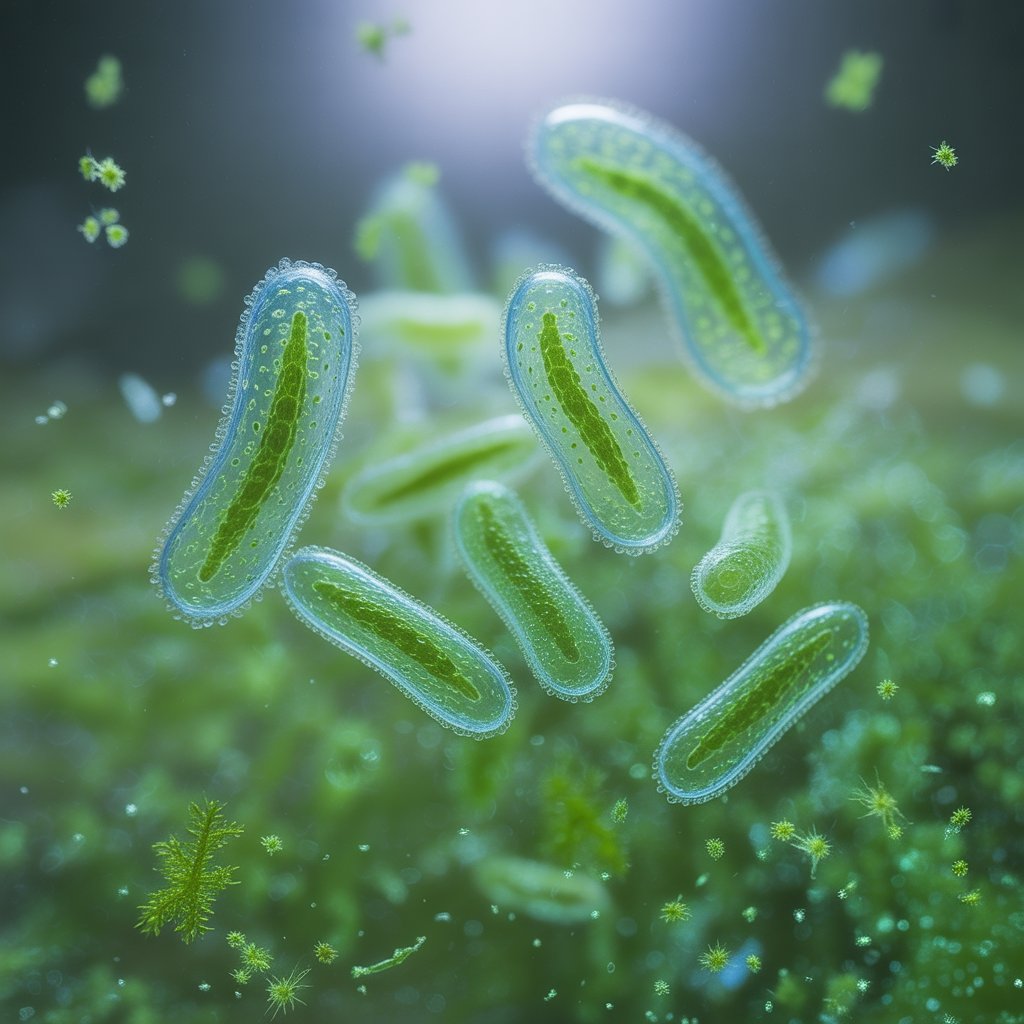

Introduction
For students of biology, especially those preparing for exams such as NEET, UPSC, or government exams. understanding protozoa phylum classification is essential. This guide will take you step by step through their characteristics, classification, examples, and importance.

General Characteristics of Protozoa
Protozoa are simple yet highly adaptable organisms. Below are their key features explained in student-friendly language:
- Unicellular and Eukaryotic
Each protozoan is made of a single cell, but unlike bacteria, they are eukaryotic, meaning they have a true nucleus and cell organelles. - Nutrition
- Autotrophic: Some can make their own food like plants.
- Heterotrophic: Others feed on bacteria, algae, or organic matter.
- Parasitic: Many live inside other organisms, often causing diseases.
- Locomotion
Protozoa move in fascinating ways:- Cilia (tiny hair-like structures)
- Flagella (whip-like tails)
- Pseudopodia (extensions of cytoplasm, “false feet”)
- Some parasitic protozoa don’t move at all.
- Reproduction
- Asexual: Binary fission, budding, or multiple fission.
- Sexual: Conjugation in ciliates or gamete formation in sporozoans.
- Habitat
They thrive everywhere—from freshwater ponds to marine ecosystems, moist soils, and even inside animal bodies as parasites.
Basis of Protozoa Phylum Classification
Jnanpith Award: Honoring India’s Finest Literary LegendsProtozoa were once placed under the kingdom Protista, but modern classifications have refined their position. Scientists mainly classify them using:
- Locomotion structures (cilia, flagella, pseudopodia, or none)
- Parasitic or free-living nature
- Reproductive strategies
- Cellular morphology
This system has led to the recognition of several major phyla, which we will now explore.

Major Phyla of Protozoa
1. Phylum Sarcomastigophora
- Includes both amoeboids (move using pseudopodia) and flagellates (move using flagella).
- Some are free-living, while others are parasitic.
Examples:
- Amoeba proteus (free-living in ponds).
- Entamoeba histolytica (causes amoebic dysentery in humans).
- Trypanosoma (transmitted by tsetse flies, causes African sleeping sickness).
2. Phylum Ciliophora
- Locomotion is through cilia, which also help in feeding.
- They have two nuclei: macronucleus (controls daily functions) and micronucleus (involved in reproduction).
- Usually free-living and non-parasitic.
Examples:
- Paramecium (commonly known as the “slipper animalcule”).
- Balantidium coli (parasitic, causes balantidiasis in humans).
3. Phylum Apicomplexa
- Entirely parasitic; they lack locomotory organs.
- Possess an apical complex (a structure that helps them invade host cells).
- Cause several deadly diseases in humans and animals.
Examples:
- Plasmodium (causes malaria, transmitted by Anopheles mosquitoes).
- Toxoplasma gondii (causes toxoplasmosis, dangerous for pregnant women).
4. Phylum Microspora
- Spore-forming protozoa.
- Obligate intracellular parasites (they live inside host cells).
- Mainly infect insects, fishes, and even humans with weak immune systems.
Example:
- Nosema (affects honeybees, causing colony collapse).
Protozoa Phylum Classification Chart
| Phylum | Mode of Movement | Examples | Special Features |
|---|---|---|---|
| Sarcomastigophora | Pseudopodia/Flagella | Amoeba, Trypanosoma | Free-living or parasitic |
| Ciliophora | Cilia | Paramecium, Balantidium | Two types of nuclei, complex cells |
| Apicomplexa | None (parasitic) | Plasmodium, Toxoplasma | Cause serious human diseases |
| Microspora | Spores | Nosema | Intracellular parasites |
Importance of Protozoa
Even though they are tiny, protozoa play a big role in our world:
- Ecological Role
- Act as primary consumers in aquatic food chains.
- Help in nutrient recycling by feeding on bacteria and algae.
- Symbiotic protozoa live in the guts of animals (e.g., termites) and help digest cellulose.
- Medical Importance
- Some are pathogenic and cause diseases in humans:
- Malaria (Plasmodium).
- Sleeping sickness (Trypanosoma).
- Amoebic dysentery (Entamoeba histolytica).
- Studying protozoa helps in disease prevention and treatment.
- Some are pathogenic and cause diseases in humans:
- Industrial and Research Uses
- Used in sewage treatment for breaking down organic waste.
- Serve as model organisms in biological and genetic studies.
- Play roles in biotechnology and drug testing.
Protozoa in Daily Life: Interesting Facts
- A single drop of pond water may contain hundreds of protozoa.
- Some protozoa can encyst (form a protective shell) to survive harsh conditions.
- Protozoa are among the oldest life forms on Earth, dating back 1.5 billion years.
Key Notes for Students
To make revision easier, here are quick takeaways:
- Protozoa = unicellular, eukaryotic organisms.
- Major phyla: Sarcomastigophora, Ciliophora, Apicomplexa, Microspora.
- Diseases to remember:
- Malaria (Plasmodium).
- Dysentery (Entamoeba histolytica).
- Sleeping sickness (Trypanosoma).
- Important feature = classified mainly by locomotion.
Conclusion
Though microscopic, protozoa are giants in terms of their ecological and medical impact. From forming the base of aquatic food chains to causing diseases like malaria, their influence is undeniable. Understanding protozoa phylum classification not only helps students score better in biology but also builds awareness of the hidden world of microorganisms.
Next time you look at a drop of pond water, remember—it might hold an entire universe of protozoa, each playing its role in the grand cycle of life.



Pingback: Function of Renal Artery and Renal Vein: Easy Notes for Biology Students