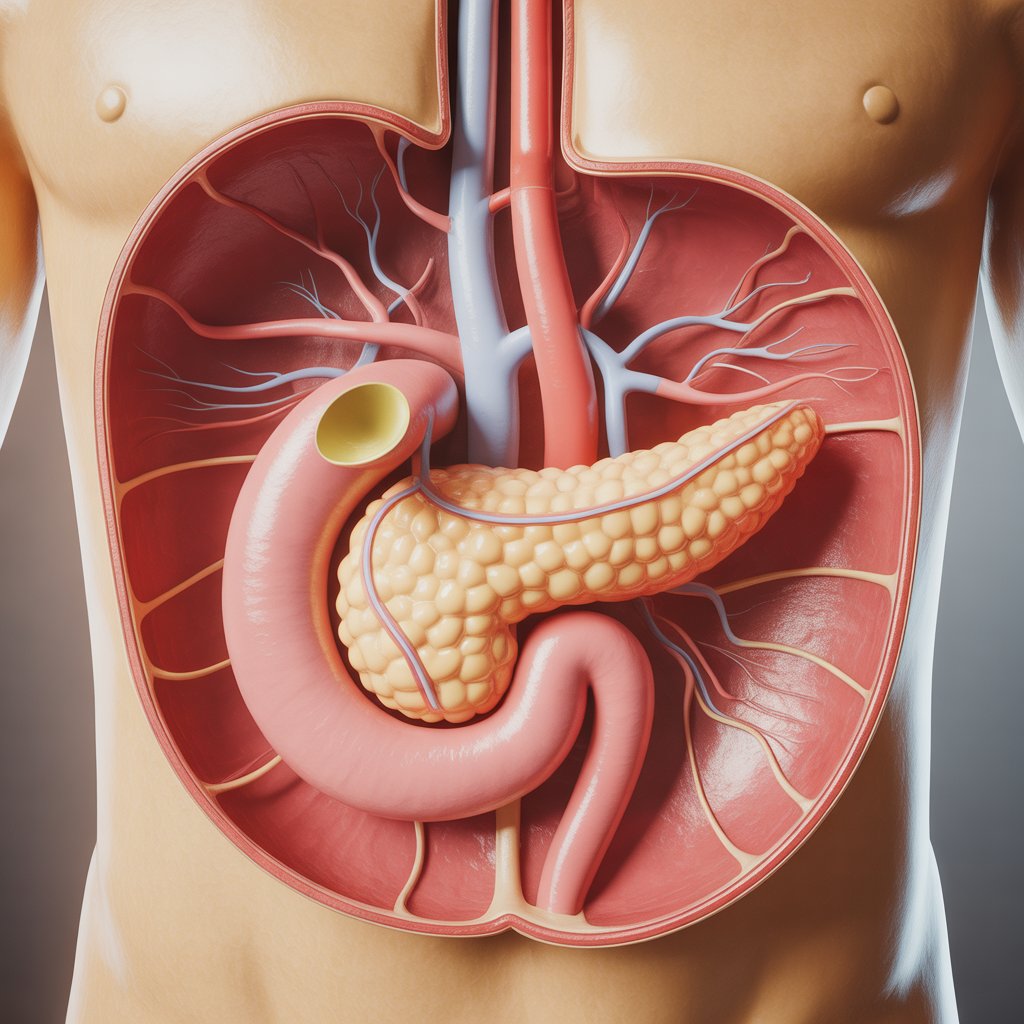

When you think of digestion, the stomach usually gets all the attention. But behind the scenes, there’s a quiet hero working just as hard — your pancreas. This small, leaf-shaped organ sits behind your stomach and plays a huge role in turning the food you eat into energy your body can actually use.
One of its most important jobs is producing pancreatic juice, a clear liquid packed with special enzymes that help break down carbohydrates, proteins, and fats. Without these enzymes, digestion would slow down, nutrients wouldn’t be absorbed properly, and you’d feel tired, bloated, and uncomfortable after eating.
So, let’s dive into a simple explanation of which enzymes pancreatic juice contains and what makes each of them so essential for your digestive system.
What Exactly Is in Pancreatic Juice?
Pancreatic juice is a clear, colorless fluid that is secreted by the pancreas, an organ located behind the stomach. The pancreas serves two main functions:
- Exocrine Function: Secretes pancreatic juice that contains enzymes to aid in digestion.
- Endocrine Function: Produces hormones like insulin and glucagon to regulate blood sugar levels.
Pancreatic juice is secreted by specialized cells in the pancreas called acinar cells. The juice is then released into the duodenum, the first part of the small intestine, where it works to neutralize stomach acid and assist in breaking down fats, proteins, and carbohydrates.
Here’s what it contains:
- Water: Helps move food and enzymes through your digestive tract.
- Bicarbonate ions: These neutralize the strong stomach acid that enters your small intestine, creating a safe environment for enzymes to work.
- Digestive enzymes: The true heroes — they break food down into tiny, absorbable molecules.
Pancreatic Juice Contains Which Enzymes?
Pancreatic juice is rich in four main types of enzymes: amylase, proteases, lipase, and nucleases. Each plays a unique role in the digestive process.
🥖 1. Amylase – The Carbohydrate Breaker
Whenever you eat rice, bread, or pasta, you’re giving your body carbohydrates — your main source of energy. But your cells can’t use these complex carbs directly. That’s where amylase comes in.
- Function: Pancreatic amylase breaks down starch (a complex carbohydrate) into simpler sugars like maltose and glucose.
- Why it matters: These simple sugars are then absorbed into the bloodstream and used for quick energy.
Without enough amylase, you might feel sluggish after meals or experience bloating because your body can’t break down carbs properly.
🍗 2. Proteases – The Protein Choppers
Proteins are essential for building muscles, repairing tissues, and producing enzymes and hormones — but they come in long, tangled chains that need to be cut into smaller pieces.
The pancreas produces three major proteases:
- Trypsin – breaks large protein molecules into smaller peptides.
- Chymotrypsin – works on peptide bonds to release amino acids.
- Carboxypeptidase – snips off amino acids from the ends of peptide chains.
Interestingly, the pancreas releases these enzymes in an inactive form to prevent them from digesting the pancreas itself. Once they reach the small intestine, they’re activated — kind of like unlocking powerful tools at the right time and place.
Together, these enzymes make sure the protein from your eggs, lentils, or chicken gets converted into amino acids your body can use to grow and heal.
🧈 3. Lipase – The Fat Cutter
Fats are tricky to digest because they don’t mix well with water. But your body has a clever system. First, bile from the liver breaks fat into tiny droplets (a process called emulsification), and then pancreatic lipase steps in to finish the job.
- Function: Lipase breaks triglycerides (fats) into fatty acids and glycerol.
- Why it matters: These products are absorbed and used for energy and the production of hormones and cell membranes.
Lipase also helps absorb fat-soluble vitamins (A, D, E, and K), which keep your skin, eyes, and immune system healthy. If you lack lipase, your stool may appear oily — a sign your body isn’t digesting fats properly.
🧬 4. Nucleases – The DNA Digesters
It may surprise you, but the food you eat contains DNA and RNA — the building blocks of life. Your pancreas produces nucleases (DNAse and RNAse) to handle them.
- Function: These enzymes break down nucleic acids into nucleotides, which your body can reuse to build new cells and repair tissues.
- Why it matters: Nucleases quietly support cell renewal and energy production, making them an underrated but vital part of digestion.
Who Controls Pancreatic Juice Secretion?
Pancreatic juice production is managed by both hormones and the nervous system:
- Secretin increases bicarbonate secretion.
- CCK increases enzyme secretion.
- The vagus nerve (part of your brain’s control system) also stimulates the pancreas when you see, smell, or even think about food — that’s why your body starts “prepping” for digestion before you take the first bite.
It’s an incredibly smart, automatic process that keeps your digestive system in perfect sync.
⚠️ When Things Go Wrong: Pancreatic Enzyme Deficiency
If the pancreas can’t make or release enough enzymes, digestion suffers. This condition is called Exocrine Pancreatic Insufficiency (EPI).
Common causes include:
- Chronic pancreatitis (inflammation of the pancreas)
- Cystic fibrosis
- Pancreatic cancer
Symptoms may include:
- Bloating or gas
- Indigestion
- Fatty or greasy stools
- Weight loss
- Nutrient deficiencies
Doctors often treat this with pancreatic enzyme replacement therapy (PERT) — capsules that supply the missing enzymes and help food digest normally again.
Conclusion
The pancreas is a vital organ responsible for secreting pancreatic juice, which is essential for the digestion of fats, proteins, carbohydrates, and nucleic acids. Pancreatic juice contains enzymes like amylase, lipase, and proteases that help break down food into absorbable nutrients. This digestive fluid is secreted into the small intestine, where it works to neutralize stomach acid and support the absorption of essential nutrients.
While the pancreas does not secrete “juices” like fruit juices, its pancreatic juice is crucial for proper digestion and nutrient absorption. Understanding the role of pancreatic juice helps us appreciate the complexity of the digestive system and how our bodies process the foods we eat.
If you suspect any issues with pancreatic function, it’s essential to consult a healthcare provider to ensure optimal digestive health.