
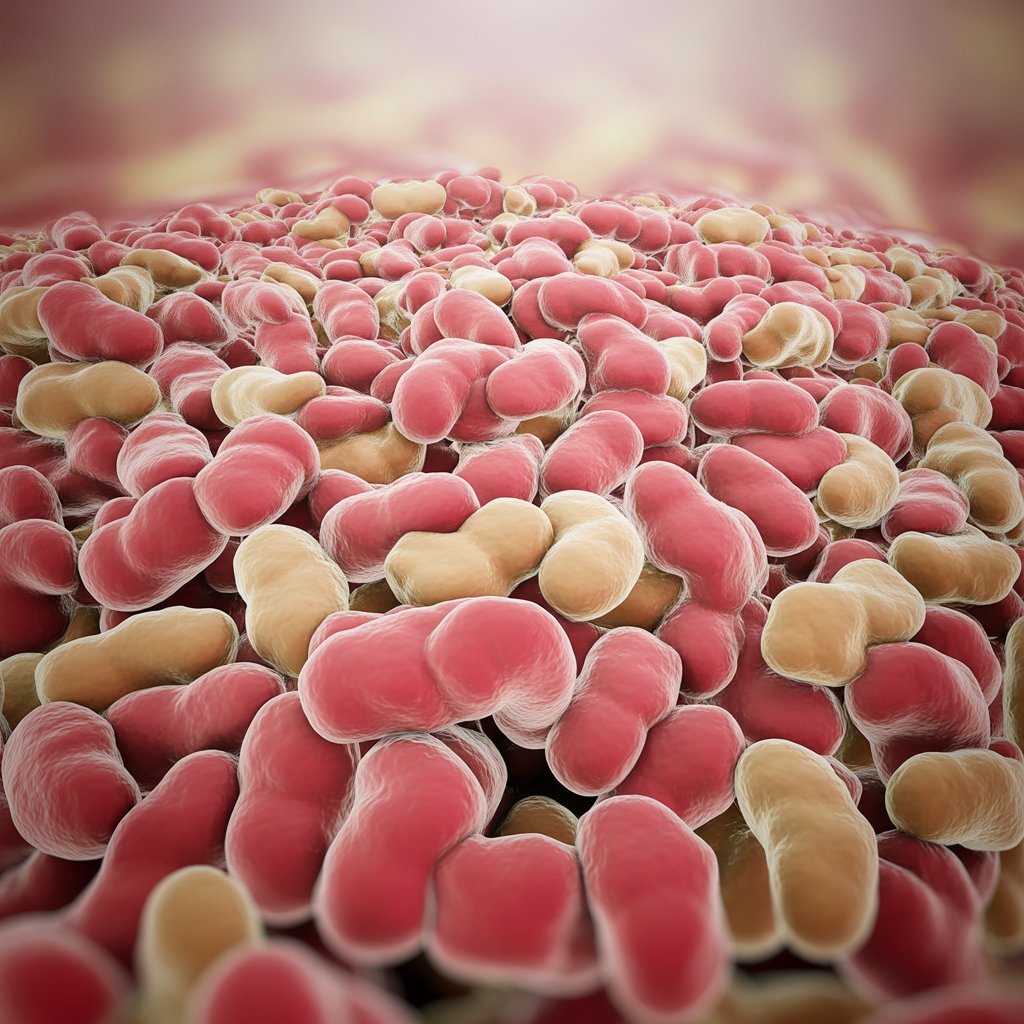

Your stomach is one of the most hardworking organs in your body. Every meal you eat ends up here, where it’s churned, mixed, and digested with the help of strong stomach acids. But have you ever wondered—if the stomach produces such powerful acid, why doesn’t it digest itself?
The answer lies in the mucous cells. These tiny but mighty cells play a crucial role in keeping your stomach safe. They continuously secrete a protective coating called mucus, which forms a barrier between the stomach wall and the acidic gastric juice. Without these cells, your stomach lining would quickly be damaged, leading to painful ulcers and other digestive problems.
In this article, we’ll explore the mucous cells function in stomach, their structure, how they protect the stomach from acid, and why they’re essential for good digestive health.
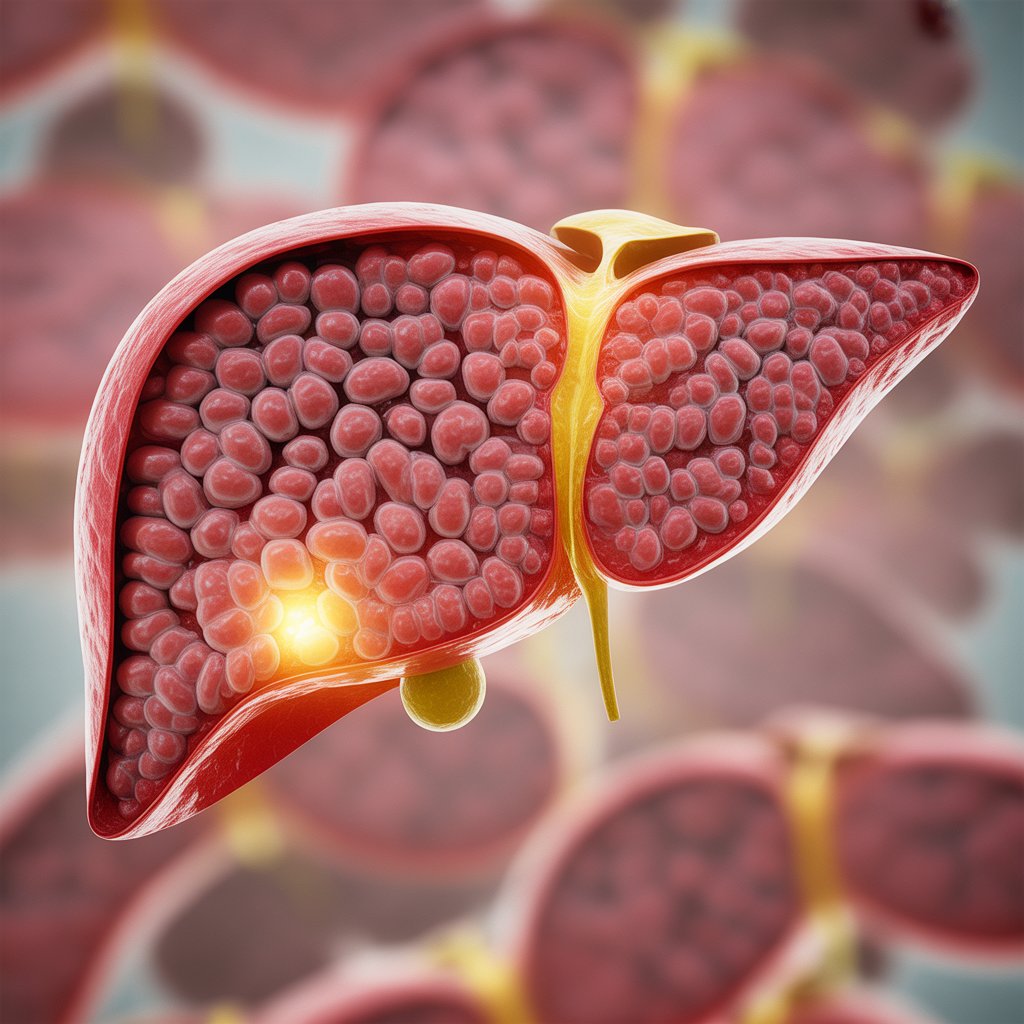
What Are Mucous Cells?
Mucous cells, also known as goblet-like cells, are specialized epithelial cells found in the lining of your stomach. Their main job is to produce mucus, a thick, slippery secretion that coats the inner wall of the stomach.
There are two main types of mucous cells in the stomach:
- Surface mucous cells – These cover the inner surface of the stomach and form the first protective barrier against acid.
- Mucous neck cells – These are located deeper inside the gastric glands and help produce mucus that mixes with digestive juices.
Together, they work continuously to ensure that your stomach lining remains safe from self-digestion.
Structure of Mucous Cells
Mucous cells have a unique structure that helps them perform their protective function effectively.
- They are columnar or cuboidal in shape, meaning they’re tall or cube-like, perfectly suited for secretion.
- Inside, they contain secretory granules, which are small sacs filled with mucus components such as glycoproteins (mucins).
- The apical region (top part) of the cell is specialized to release mucus into the stomach cavity.
These cells are part of the gastric epithelium, a layer of tissue that renews itself rapidly. This renewal is vital because stomach acid can be corrosive, and the lining needs constant repair.
Mucous Cells Function in Stomach
The mucous cells function in stomach is simple yet extremely important—they secrete mucus to form a protective barrier over the stomach’s inner surface.
This mucus layer serves multiple purposes:
- Protection: It prevents hydrochloric acid (HCl) and digestive enzymes like pepsin from directly contacting the stomach wall.
- Lubrication: It allows smooth movement of food and gastric juices during digestion.
- Neutralization: The mucus contains bicarbonate ions (HCO₃⁻), which help neutralize any acid that gets too close to the lining.
In short, without mucous cells, your stomach’s strong acid would start digesting the stomach tissue itself—a dangerous process known as autodigestion.
How Mucous Cells Protect the Stomach Lining from Acid
Let’s look closely at how this protection actually works.
When food enters your stomach, the gastric glands release acid and enzymes to break it down. This acid can be as strong as pH 1 or 2—powerful enough to dissolve metals! But right above the stomach lining, the mucus layer keeps things under control.
Here’s what happens:
- Mucous cells secrete mucus, which spreads over the surface of the stomach.
- This mucus forms a gel-like barrier that traps bicarbonate ions.
- The bicarbonate neutralizes acid that diffuses toward the lining.
- As a result, the pH near the stomach wall remains safe—around 6 or 7—even though the center of the stomach cavity is highly acidic.
If this mucus layer becomes thin or damaged, acid can penetrate the lining and cause gastritis, ulcers, or even bleeding.
Role of Mucous Cells in Digestive Health
Besides protection, mucous cells contribute to overall digestive health in several ways:
- Smooth digestion: The slippery mucus allows food to move easily through the stomach, preventing friction or irritation.
- Healing and renewal: Mucus supports cell regeneration by providing a moist, protective environment.
- Maintaining balance: It keeps the internal stomach pH in check, ensuring enzymes like pepsin work efficiently without harming tissues.
Essentially, mucous cells create a stable and safe environment where digestion can happen without damage.
Disorders Related to Mucous Cell Dysfunction
When mucous cells fail to produce enough mucus or when their protective layer is compromised, several digestive problems can occur:
- Gastritis: Inflammation of the stomach lining due to acid irritation.
- Peptic Ulcers: Painful sores that develop when acid eats through the lining.
- Acid Reflux (GERD): When stomach acid moves upward due to imbalance.
- Helicobacter pylori infection: This bacteria can damage mucous cells and thin the protective mucus layer.
Factors like stress, smoking, alcohol, poor diet, and certain medications (like NSAIDs) can all weaken mucus production and harm mucous cells.
How to Maintain Healthy Mucous Cell Function
Keeping your mucous cells healthy is vital for long-term digestive comfort. Here are some simple tips:
- 🥦 Eat a balanced diet: Include foods rich in vitamins A and E, which help maintain healthy epithelial cells.
- 💧 Stay hydrated: Water supports mucus production and keeps your digestive tract moist.
- 🚫 Avoid excessive alcohol and spicy foods: These can irritate and erode the mucus layer.
- 💊 Use medications carefully: Overuse of painkillers like ibuprofen can damage mucous cells.
- 🧘 Manage stress: Chronic stress reduces mucus secretion and affects digestion.
By following these habits, you help your stomach maintain its natural defense system.
Summary Table: Mucous Cells at a Glance
| Feature | Description |
|---|---|
| Location | Gastric lining (surface and mucous neck cells) |
| Secretion | Mucus containing water, glycoproteins, and bicarbonate ions |
| Function | Protect stomach lining from acid and digestive enzymes |
| Importance | Prevents ulcers, gastritis, and acid-related damage |
Conclusion
The mucous cells function in stomach may sound simple, but these tiny cells perform one of the most vital protective roles in the digestive system. By forming a continuous mucus layer, they shield the stomach from its own harsh acid, allowing digestion to happen safely and smoothly.
Without mucous cells, the powerful acid that helps us digest food could destroy the stomach itself. So, the next time you enjoy your favorite meal, remember—your mucous cells are quietly working behind the scenes, keeping your stomach safe and healthy.