
Did you know that digestion begins the moment you take your first bite?
Most of us think digestion happens in the stomach or intestines, but the real process actually starts in the mouth — thanks to an amazing enzyme called ptyalin. This tiny but powerful enzyme, found in the ptyalin function of saliva, kickstarts the breakdown of food, especially starchy items like bread, rice, or potatoes.
In this blog, we’ll explore the ptyalin function of saliva, how it works, why it’s important, and what happens if it doesn’t work properly. So, let’s dive into the fascinating science happening in your mouth every time you eat!
What Is Ptyalin?
Our mouth secretes saliva that contains a lot of enzymes; one such enzyme is Ptyalin. Ptyalin enzymes are sometimes also called alpha-amylase enzymes. Ptyalin functions as a catalyst or a product that can accelerate the process of hydrolyzing carbohydrates into simple sugars in the digestive system of food.
Ptyalin enzymes are responsible for remodeling or degrading starch (starch) into simpler carbohydrate structures such as maltose. The carbohydrate can be absorbed by the body and flowed across the body by the blood into energy that can be used to perform everyday tasks after the starch is reshuffled by the ptyalin enzyme.
Unlike other amylase enzymes, the ability of ptyalin enzymes to reshape polysaccharides into maltose with shorter bonds is their only function. The disaccharide structure cannot be hydrolyzed by the ptyalin enzyme into simple sugars. Other digestive enzymes are capable of hydrolysis and decomposition of short-chain carbohydrate structures. As a result, at the disaccharide level, ptyalin enzymes can only transform carbs into simple sugars.
Composition of Saliva
Before understanding how ptyalin works, it’s helpful to know what saliva actually contains. Saliva is more than just “mouth moisture.” It’s a complex fluid composed of:
- Water (around 99%) – helps dissolve food and keeps the mouth moist.
- Mucus – lubricates food for easy swallowing.
- Electrolytes – such as sodium, potassium, and bicarbonate ions.
- Antibacterial agents – like lysozyme, which protects the mouth from microbes.
- Enzymes – mainly ptyalin (salivary amylase) and lingual lipase.
Among these, ptyalin function of saliva plays a key role in the chemical digestion of food right inside your mouth.
The Function of Ptyalin in Saliva
Our mouth secretes saliva that contains a lot of enzymes; one such enzyme is Ptyalin. Ptyalin enzymes are sometimes also called alpha-amylase enzymes. Ptyalin functions as a catalyst or a product that can accelerate the process of hydrolyzing carbohydrates into simple sugars in the digestive system of food.
Ptyalin enzymes are responsible for remodeling or degrading starch (starch) into simpler carbohydrate structures such as maltose. The carbohydrate can be absorbed by the body and flowed across the body by the blood into energy that can be used to perform everyday tasks after the starch is reshuffled by the ptyalin enzyme.
Unlike other amylase enzymes, the ability of ptyalin enzymes to reshape polysaccharides into maltose with shorter bonds is their only function. The disaccharide structure cannot be hydrolyzed by the ptyalin enzyme into simple sugars. Other digestive enzymes are capable of hydrolysis and decomposition of short-chain carbohydrate structures. As a result, at the disaccharide level, ptyalin enzymes can only transform carbs into simple sugars.
Function of Ptyalin Enzymes in Carbohydrate Digestion
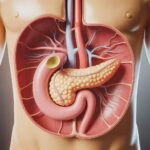
Digestive organs secrete different kinds of enzymes to help speed up the process of food absorption while digesting carbs. Carbohydrate enzymes are enzymes that play a role in the process of digesting carbohydrates. Ptyalin enzyme and amylase enzyme are the two carbohydrate enzymes that have the greatest effect. The ptyalin enzyme is similar to the amylase enzyme in that it works in the oral cavity first, while the amylase enzyme is produced exclusively by the pancreas.
Production of Ptyalin Enzyme and Its Work Mechanism
The chamber is located in the oral cavity, as previously stated since the ptyalin enzyme is only produced by salivary glands. When food enters the mouth, the salivary glands are automatically stimulated to produce saliva. Saliva contains a high concentration of ptyalin enzymes.
The ptyalin enzyme in saliva breaks down the carbohydrate arrangement into glucose just as the food starts to chew (short-chain). The reshuffle process takes so long that the meal gets swallowed before the ptyalin enzyme could finish its work. On the other hand, the ptyalin enzyme in the throat will keep working until the food reaches the stomach.
The ptyalin enzyme, which can function in a room with a high pH, ceases to work when it enters the stomach, which has a high acidity level. However, when still in the throat, the ptyalin enzyme’s results and actions can only reach a small percentage of the starch present in the diet. The amylase enzyme will hydrolyze the majority of the remaining starch.
Factors Affecting Ptyalin Activity
Ptyalin’s efficiency depends on several factors:
- 🌡️ Temperature: Works best at body temperature (around 37°C). Too hot or too cold conditions can slow down enzyme activity.
- ⚖️ pH Level: Neutral pH (6.8–7.0) is optimal; strong acid (as in the stomach) deactivates it.
- ⏱️ Chewing Time: The longer you chew, the more time ptyalin gets to act.
- 💧 Hydration and saliva flow: Dehydration or dry mouth reduces enzyme effectiveness.
- 🍽️ Diet: A balanced diet ensures your salivary glands function properly.
Conclusion
The ptyalin function of saliva might seem small, but it plays a massive role in how our body handles food. From the very first bite, this enzyme gets to work, turning complex carbohydrates into simpler sugars your body can easily use for energy.
So, the next time you enjoy a meal, take a moment to chew your food slowly and mindfully — because each chew activates ptyalin, giving your digestion a healthy head start. Remember, good digestion truly begins in your mouth!