

Phylum Porifera, commonly known as sponges, represents the simplest group of multicellular animals. Found mostly in marine habitats, they are unique for their porous body structure, absence of true tissues and organs, and remarkable filter-feeding ability. Understanding the classification of Porifera is important for biology students as it provides insights into the early evolution of animals and the transition from unicellular to multicellular life. Based on spicule composition, canal system, and skeletal framework, Porifera is classified into major classes such as Calcarea, Hexactinellida, and Demospongiae, each with distinct features and examples. These classification notes will help students grasp the key characteristics, structural organization, ecological role, and economic importance of sponges simply and systematically. Whether preparing for exams like NEET, board studies, or general zoology learning, this guide to Porifera classification will serve as an easy-to-understand and reliable resource.
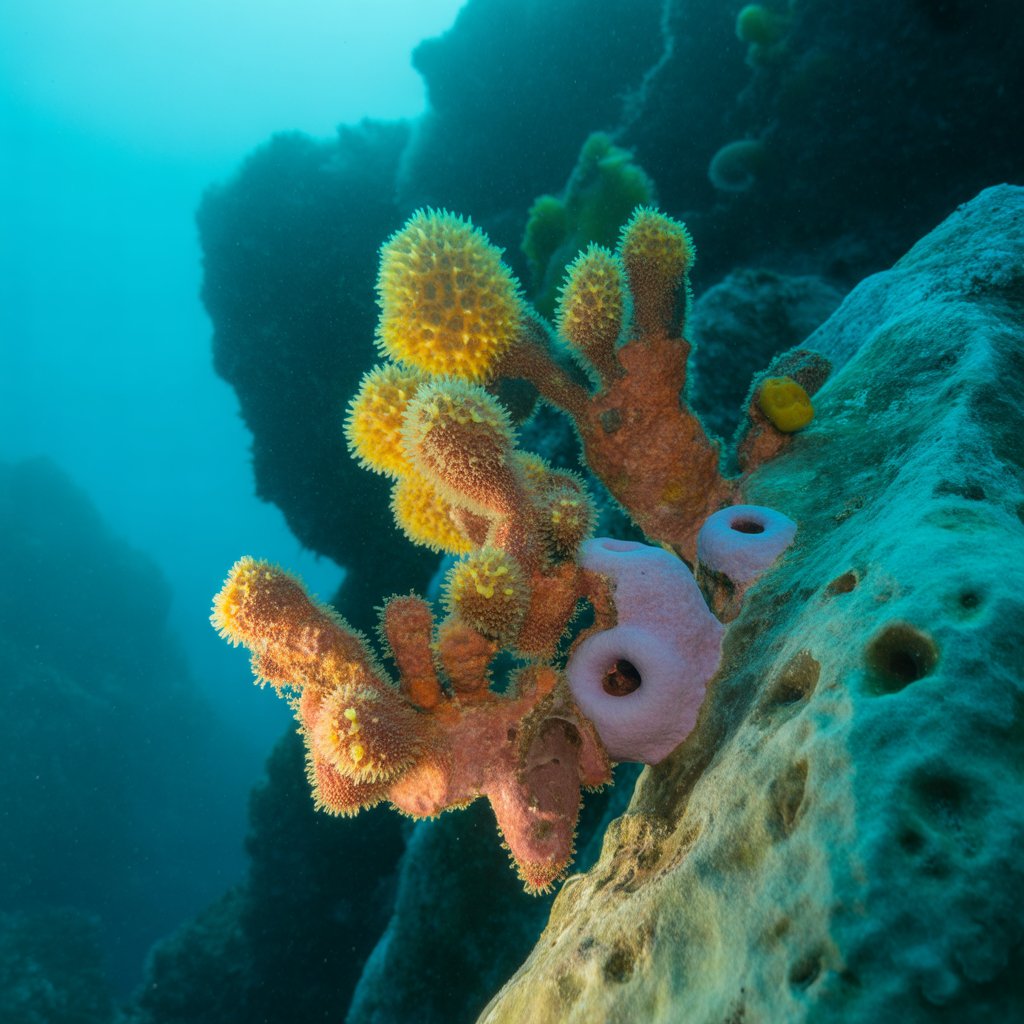
Phylum Porifera Characteristics
- Porifera are all aquatic, mostly marine except one family Spongillidae which lives in freshwater.
- They are sessile and sedentary and grow like plants.
- The body shape is vase or cylinder-like, asymmetrical, or radially symmetrical.
- The body surface is perforated by numerous pores, the Ostia through which water enters the body and one or more large openings, the oscula by which the water exists.
- The multicellular organism with the cellular level of body organization. No distinct tissues or organs.
- They consist of outer ectoderm and inner endoderm with an intermediate layer of mesenchyme, therefore, diploblastic
- The interior space of the body is either hollow or permeated by numerous canals lined with choanocytes. The interior space of the sponge body is called spongocoel.
- Characteristic skeleton consisting of either fine flexible spongin fibers, siliceous spicules, or calcareous spicules.
- Mouth absent, digestion intracellular.
- Excretory and respiratory organs are absent.
- Contractile vacuoles are present in some freshwater forms.
- The nervous and sensory cells are probably not differentiated.
- The primitive nervous system of neurons arranged in a definite network of bipolar or multipolar cells in some, but is of doubtful status.
- The sponges are monoecious.
- Reproduction occurs by both sexual and asexual methods.
- Asexual reproduction occurs by buds and gemmules.
- The sponge possesses a high power of regeneration.
- Sexual reproduction occurs via ova and sperms.
- All sponges are hermaphrodite.
- Fertilization is internal but cross-fertilization can occur.
- Cleavage holoblastic.
- Development is indirect through a free-swimming ciliated larva called amphiblastula or parenchymula.
- The organization of sponges are grouped into three types which are ascon type, sycon type, and leuconoid type, due to simple and complex forms.
- Examples: Clathrina, Sycon, Grantia, Euplectella, Hyalonema, Oscarella, Plakina, Thenea, Cliona, Halichondria, Cladorhiza, Spongilla, Euspondia, etc.
Classes of Phylum Porifera
1. Class Calcarea
- Skeleton made of calcium carbonate spicules.
- Body forms: asconoid, syconoid, or leuconoid.
- Usually small and marine.
- Examples: Leucosolenia, Sycon.
2. Class Hexactinellida (Glass Sponges)
- Skeleton of siliceous spicules that are six-rayed.
- Mostly found in deep seas.
- Cylindrical or vase-shaped body.
- Examples: Euplectella (Venus’ flower basket), Hyalonema.
3. Class Demospongiae
- Largest class (about 90% of all sponges).
- Skeleton of spongin fibers, siliceous spicules, or both.
- Always leuconoid type of canal system.
- Can be marine or freshwater.
- Examples: Spongilla (freshwater sponge), Euspongia (bath sponge).
4. Class Sclerospongiae (Optional group)
- Possess both calcareous and siliceous skeleton.
- Often look like corals.
- Restricted to tropical marine habitats.
Evolutionary Importance of Porifera
- Represent the earliest multicellular animals.
- Provide a link between unicellular Protozoa and higher animals (Metazoa).
- Show how simple cells organized into cooperative colonies leading to animal evolution.
Ecological and Economic Importance
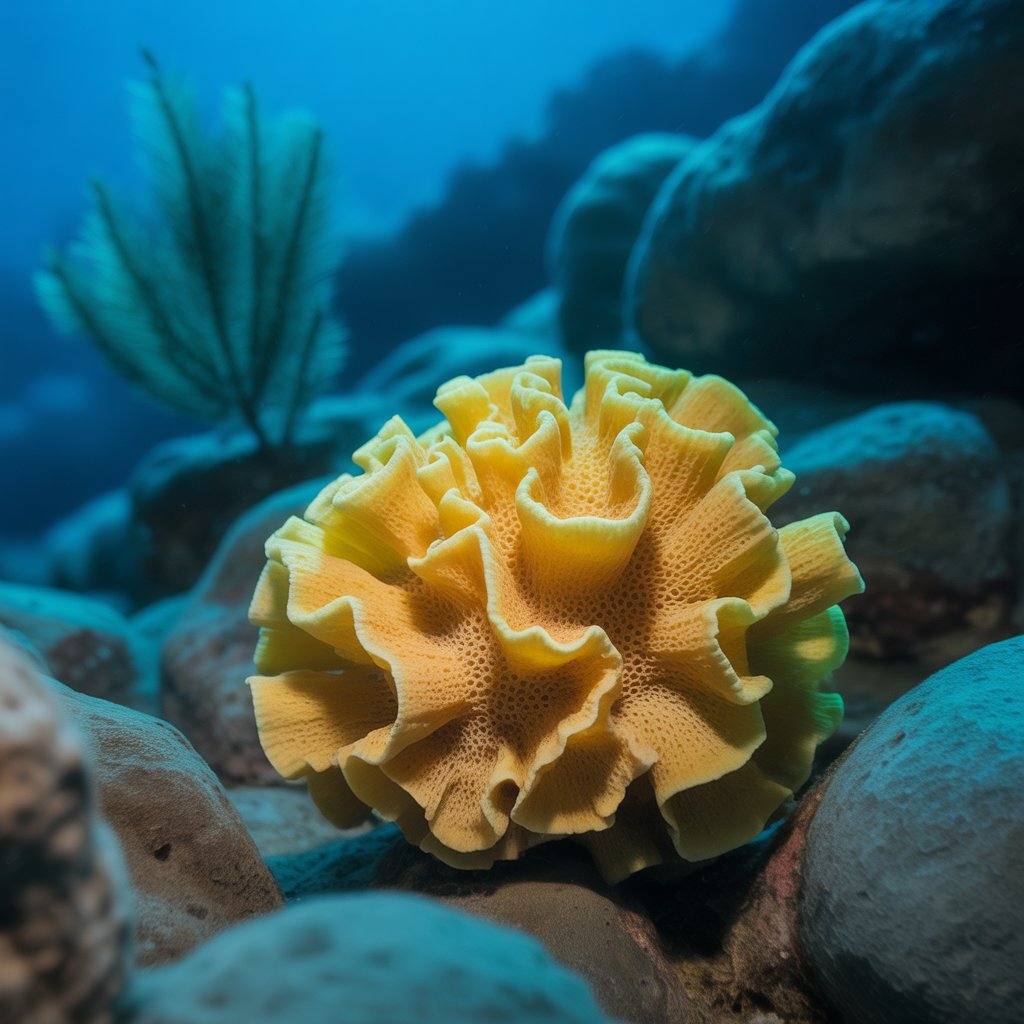
- Act as filter feeders, cleaning water and maintaining marine ecosystems.
- Provide habitat for small aquatic organisms.
- Some sponges have symbiotic algae for photosynthesis.
- Commercial uses:
- Euspongia (bath sponge) used for bathing and cleaning.
- Source of bioactive compounds with antibacterial and anticancer properties.
Conclusion
Phylum Porifera represents the most primitive group of multicellular animals. Their classification into Calcarea, Hexactinellida, Demospongiae, and Sclerospongiae is based on spicule composition and canal system. Though simple in body design, sponges play a crucial role in ecology, medicine, and evolutionary studies.
For biology students, understanding Porifera classification is not just about memorizing examples—it also highlights the fascinating journey of life’s evolution from simple to complex forms.



Pingback: Connective Tissue and Their Types: Structure, Functions, and Example