

Introduction
The small intestine is a vital component of the digestive system. It doesn’t just complete digestion—it absorbs most of the nutrients our body needs. But how is this long, coiled organ designed to perform such a vital job? Let’s break it down.
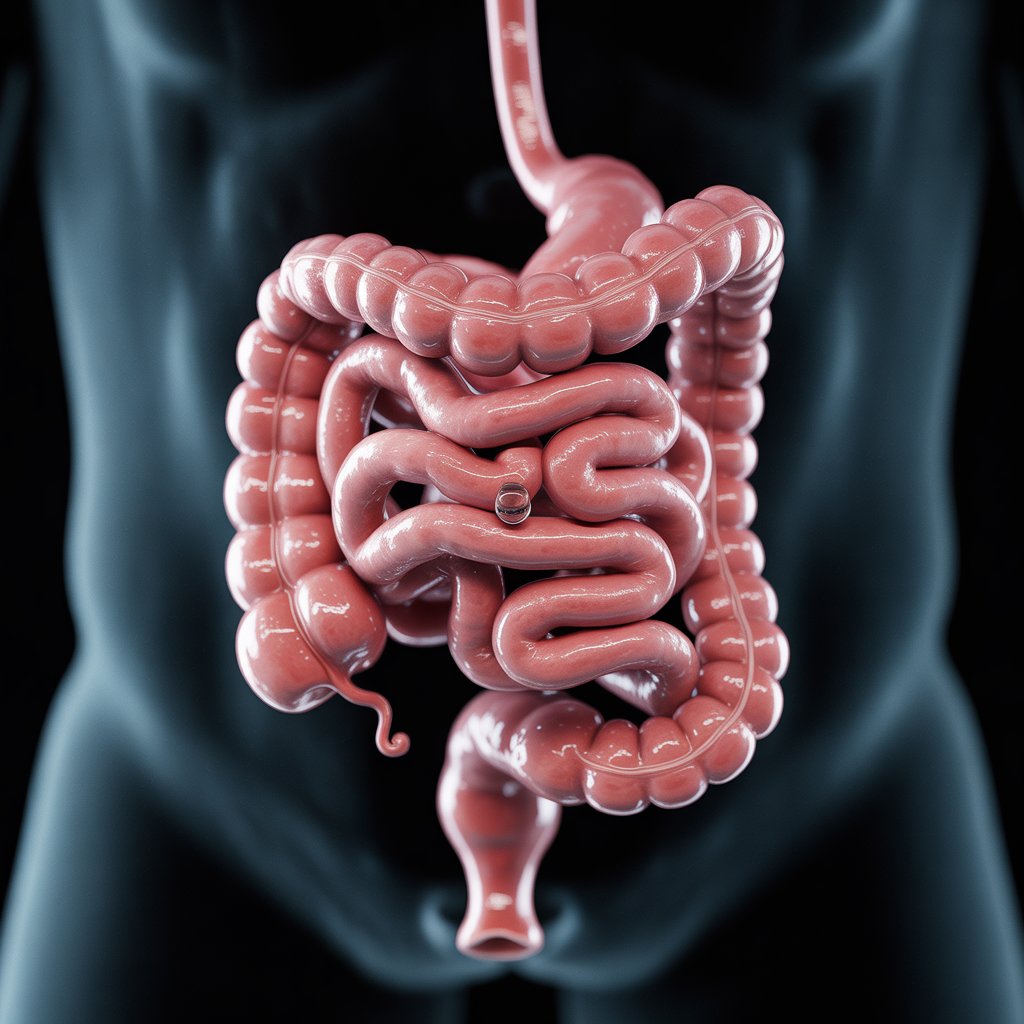
Structure of the Small Intestine
The duodenum
This is the first part of your small intestine. It’s a short (10-inch-long) chute that receives food from your stomach. Your duodenum is the place where your small intestine makes the digestive juices and enzymes to break down food. Your gallbladder delivers bile, and your pancreas delivers digestive enzymes to your duodenum to help it break down food.
The jejunum
This section of your small intestine is 8 feet long. It lays in many coils inside the lower abdominal cavity. The jejunum is dark red because it has many blood vessels. It has muscles that churn food back and forth and mix it with digestive juices. Peristalsis, which is an involuntary muscle movement in your digestive system, keeps food moving toward your ileum.
The ileum
This is the last and longest section of your small intestine. It absorbs nutrients from digested food for your body to use, like vitamins, minerals, carbohydrates, fats and protein. Your ileum moves food waste toward your large intestine. The ileum is where food spends the most time in the small intestine before moving to the large intestine.
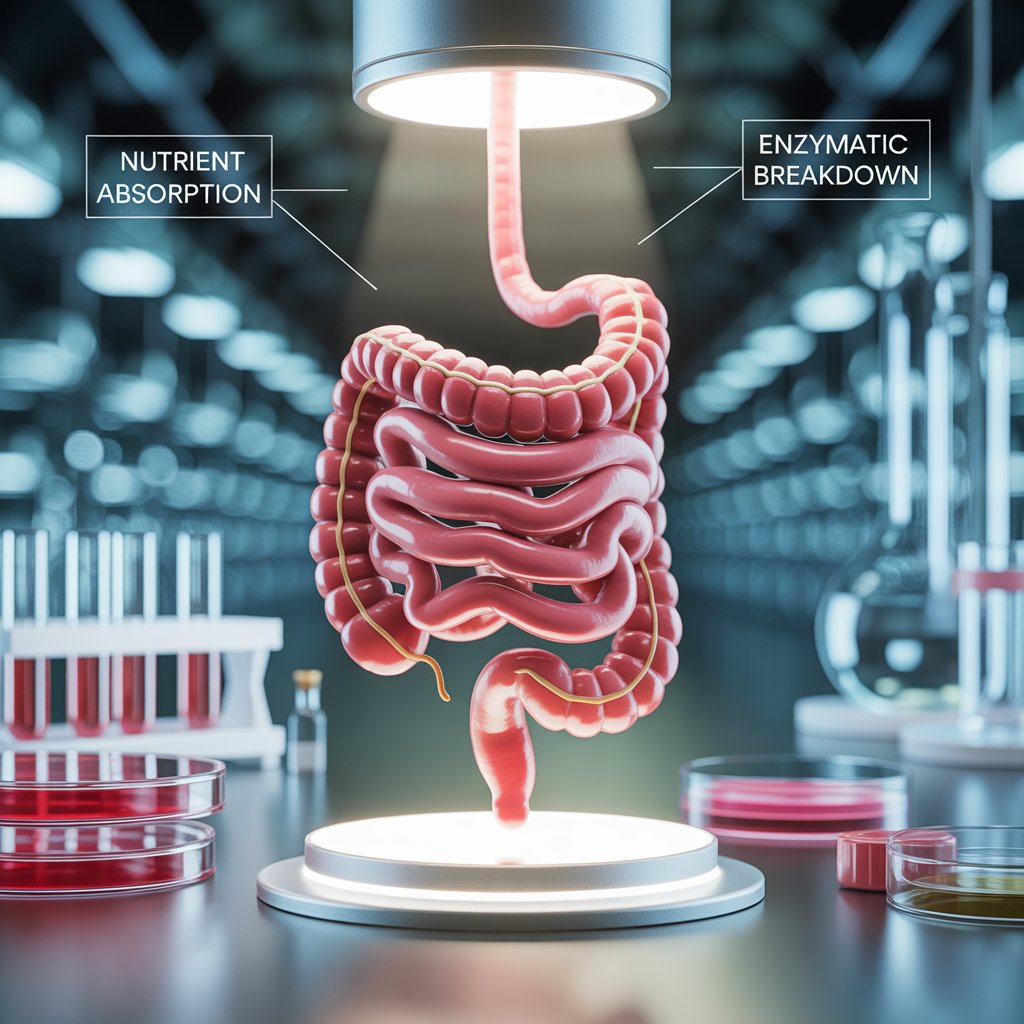
Internal Features Supporting Absorption by small intestine
1. Villi and Microvilli
The inner surface of the small intestine is lined with finger-like projections called villi, and each villus is covered with even tinier projections called microvilli. Together, they create a massive surface area for absorbing nutrients.
2. Intestinal Folds (Plicae Circulares)
The walls of the small intestine are folded, which slows down the movement of food. This gives the intestine more time to absorb nutrients efficiently.
Blood and Lymphatic Supply by small intestine
The neurovascular supply of any area of the body is the network in which the blood is pumped and the structures are innervated. The blood provides the necessary nutrition to that region in order for it to function, and the nervous tissue circulates information between the brain and the periphery via action potentials.
The small intestine is crucial for the proper functioning of the human organism, since it is the entrance to all nutrients that are necessary for both constitutive and metabolic processes in the body. Without a proper blood supply, it would be impossible for those substances to enter our circulatory system and to distribute throughout the body.
Enzymes and Secretions
The small intestine produces its own digestive enzymes and also receives bile from the liver and pancreatic juice from the pancreas. These secretions break down food into tiny molecules that can be absorbed easily.
Transport Mechanisms of small intestine
Different nutrients are absorbed in different ways:
- Carbohydrates & proteins: Via active transport into blood.
- Fats: Via diffusion into lacteals.
- Vitamins & minerals: Absorbed by specific transport systems.
Importance of Surface Area
The surface area is crucial in intestinal absorption as it increases the efficiency of nutrient uptake from digested food.
The human intestine is designed to maximise absorption of nutrients from the food we consume. This is achieved through a large surface area, which is created by the presence of millions of tiny, finger-like projections called villi. Each villus is covered in even smaller projections known as microvilli, forming what is referred to as the ‘brush border’. This structure significantly increases the surface area of the intestine, allowing for more efficient absorption of nutrients.
The importance of surface area in intestinal absorption can be understood by considering the process of diffusion. Diffusion is the movement of molecules from an area of higher concentration to an area of lower concentration. In the context of the intestine, nutrients from digested food (higher concentration) move across the intestinal wall (lower concentration) to be absorbed into the bloodstream. The rate of diffusion is directly proportional to the surface area; the larger the surface area, the faster the rate of diffusion. Therefore, by having a large surface area, the intestine can absorb nutrients more quickly and efficiently.
Furthermore, certain nutrients are absorbed via active transport, a process that requires energy and specific transport proteins. These proteins are located in the cell membranes of the microvilli. Therefore, the larger the surface area, the more transport proteins are available, and the greater the capacity for nutrient absorption.
In summary, the large surface area of the intestine, provided by the villi and microvilli, plays a crucial role in ensuring efficient absorption of nutrients from our diet. It allows for a faster rate of diffusion and provides more sites for active transport, thereby maximising the uptake of nutrients into our bloodstream.
Maintaining a Healthy Small Intestine
To keep your small intestine healthy:
- Eat a fiber-rich diet.
- Stay hydrated.
- Include probiotics for gut health.
- Avoid excessive processed foods and alcohol.
Conclusion
The small intestine is perfectly designed for nutrient absorption. Its folds, villi, and microvilli dramatically increase surface area, while its blood and lymphatic vessels ensure quick transport of nutrients. This makes it one of the most efficient organs in our digestive system.




Pingback: Viksit Bharat 2047: India’s Roadmap to a Developed Nation 2047 - a2ztrendy.com
Pingback: "What Is the Thyroid Cartilage? Anatomy and Role in Voice Production" - a2ztrendy.com